
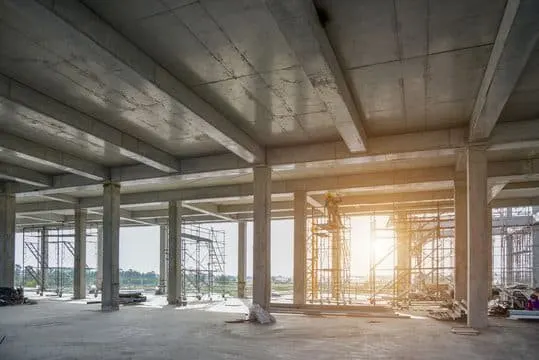
WBDBO explained: what the requirement means and how you comply with it
WBDBO is the core of compartmentalization. We explain what the requirement means, how it is determined, and what is expected of you.
Read more
Fire safety duty of care under the Bbl: what you as an owner must demonstrate
The duty of care under the Bbl places responsibility for a 'sufficient level of fire safety' with the owner. What does that mean in practice?
Read more
Fire-resistant penetrations: types, requirements (NEN-EN 1366-3), and what it costs
Every cable or pipe through a fire separation is a potential weak point. The sealing systems available, the requirements, and what it costs.
Read more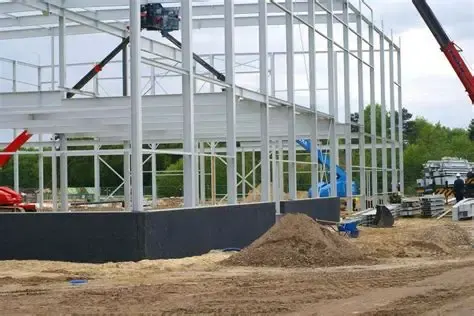
Building regulations and fire safety: what building owners need to know
Since the introduction of the Omgevingswet, new technical rules for fire safety apply. What does that mean for your building?
Read more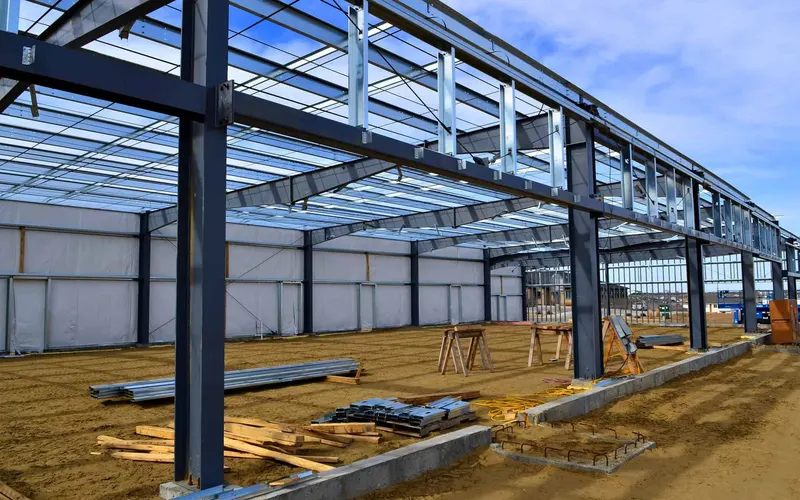
Understanding Dutch fire safety regulations: a practical guide
WBDBO, NEN 6068, NEN 6069 — the key terms from Dutch fire safety regulations clearly explained.
Read more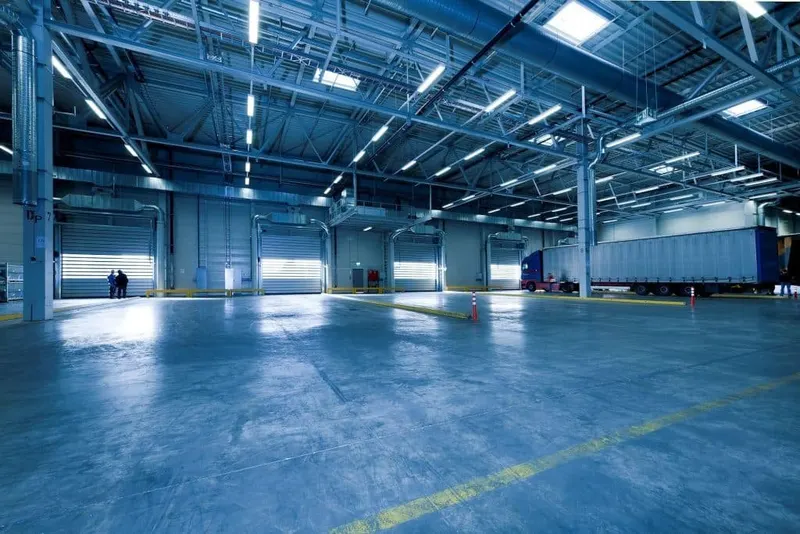
Fire compartmentalization in utility buildings: the complete guide
Why compartmentalization forms the backbone of fire safety in offices, shops, and industrial buildings.
Read more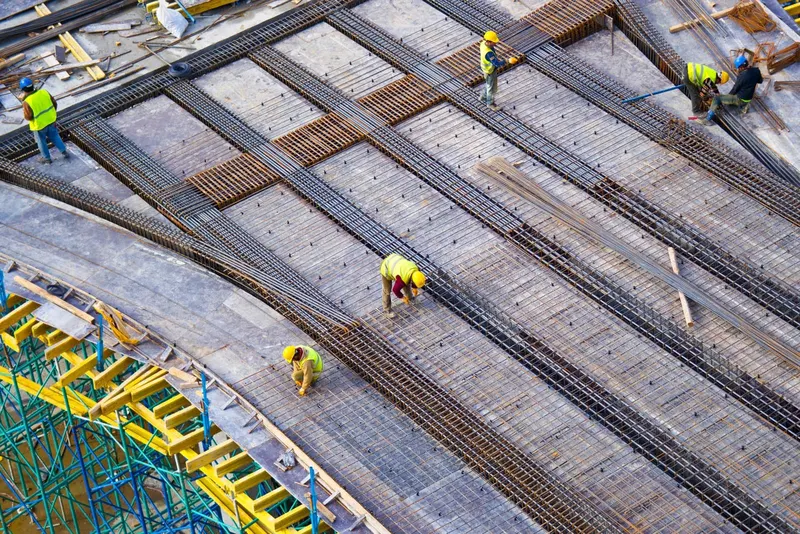
Cost savings through preventive fire protection
Investing in fire safety before something goes wrong is almost always cheaper than repairing afterward.
Read more
Maintenance and durability of fire-resistant coatings: the complete guide
Fire-resistant coatings on steel last a long time, but not on their own. Here's how to keep them in top condition.
Read more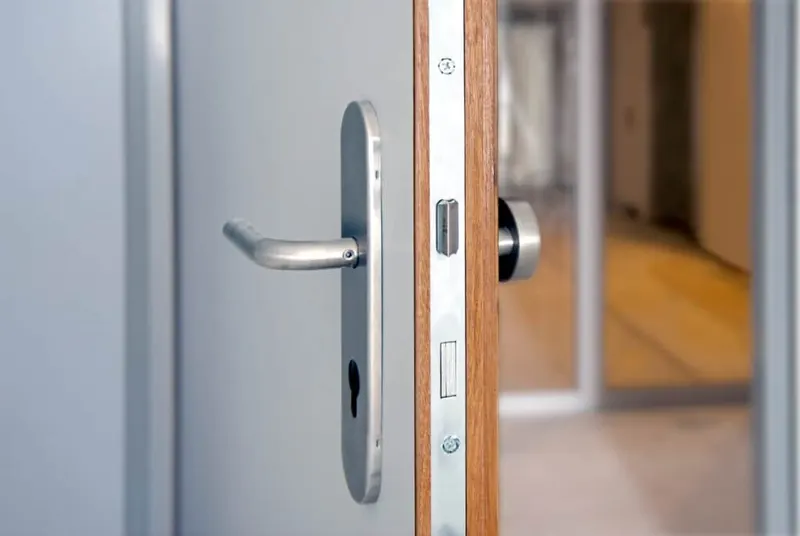
Certified fire doors and frames: why professional installation is crucial
A certified door is only truly fire-resistant once it has also been expertly installed.
Read moreFire-resistant glass: classifications (EI 30 / EI 60), applications and costs
Fire-resistant glass keeps light in and fire out - provided glass, frame, and hardware are applied together as a tested combination. This is what the classifications mean and what it costs.
Read moreFire dampers: how they work, inspection frequency, and common mistakes
A fire damper is the weakest link in compartmentalization if it is not installed correctly or tested periodically. This is how it works, and this is how you check it still does what it should.
Read moreFire safety and EV charging infrastructure in parking garages: what changes?
Every new charging point in a parking garage is also a change to the fire separations around it. What the growth of EV charging means for structural fire safety.
Read more